
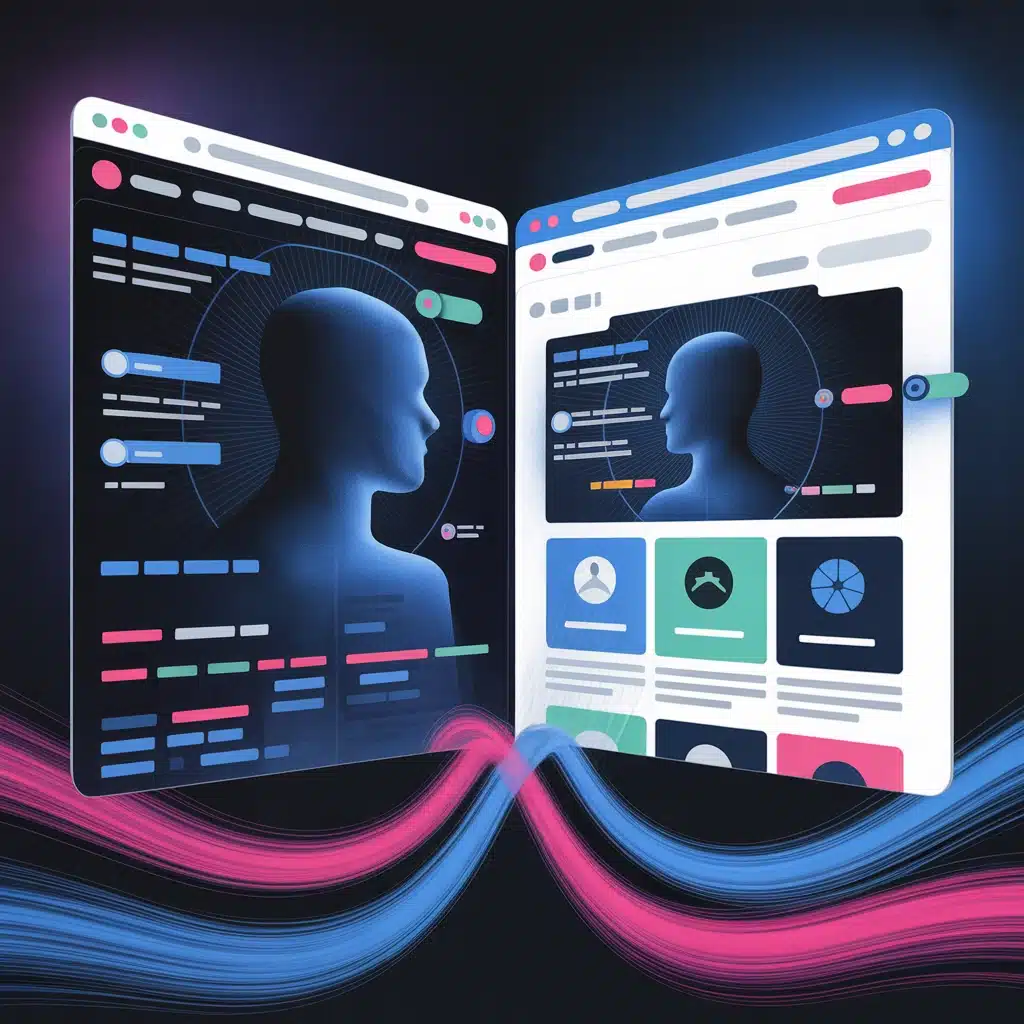
The Digital Landscape Is Evolving—Are You Keeping Pace?
Remember when having a simple, mobile-responsive website was enough to impress your customers? Those days are rapidly disappearing in our rearview mirror. As we approach 2025, the digital experience landscape is transforming at breakneck speed, leaving businesses that don’t adapt at risk of becoming virtually invisible.
At Welvis Marketing, we’ve tracked these evolving trends closely, and one thing is crystal clear: tomorrow’s successful websites won’t just present information—they’ll create memorable experiences through immersive content and personalization that makes each visitor feel like the site was built specifically for them.
But what exactly does this mean for your business? Let’s dive into why these two elements—immersive content and personalization—are no longer optional luxuries but essential components of any forward-thinking digital strategy.
Beyond Static Pages: The Rise of Immersive Experiences
3D and Motion Graphics: Adding Depth to Digital
Static websites are becoming as outdated as flip phones. Today’s users expect dimensional experiences that engage multiple senses and create memorable interactions. The integration of 3D models, motion graphics, and dynamic elements is transforming how visitors experience your digital presence.
Think about walking into a physical store—you can pick up products, examine them from different angles, and experience the space in three dimensions. Leading websites are now replicating this experience digitally with:
- Interactive 3D product displays that allow users to rotate, zoom, and explore
- Environmental storytelling that guides users through an immersive journey
- Animated transitions that make navigation feel intuitive and engaging
Rather than just showcasing information, these elements transform your website into a destination that visitors want to explore.
Scroll-Triggered Storytelling: Narrative Through Movement
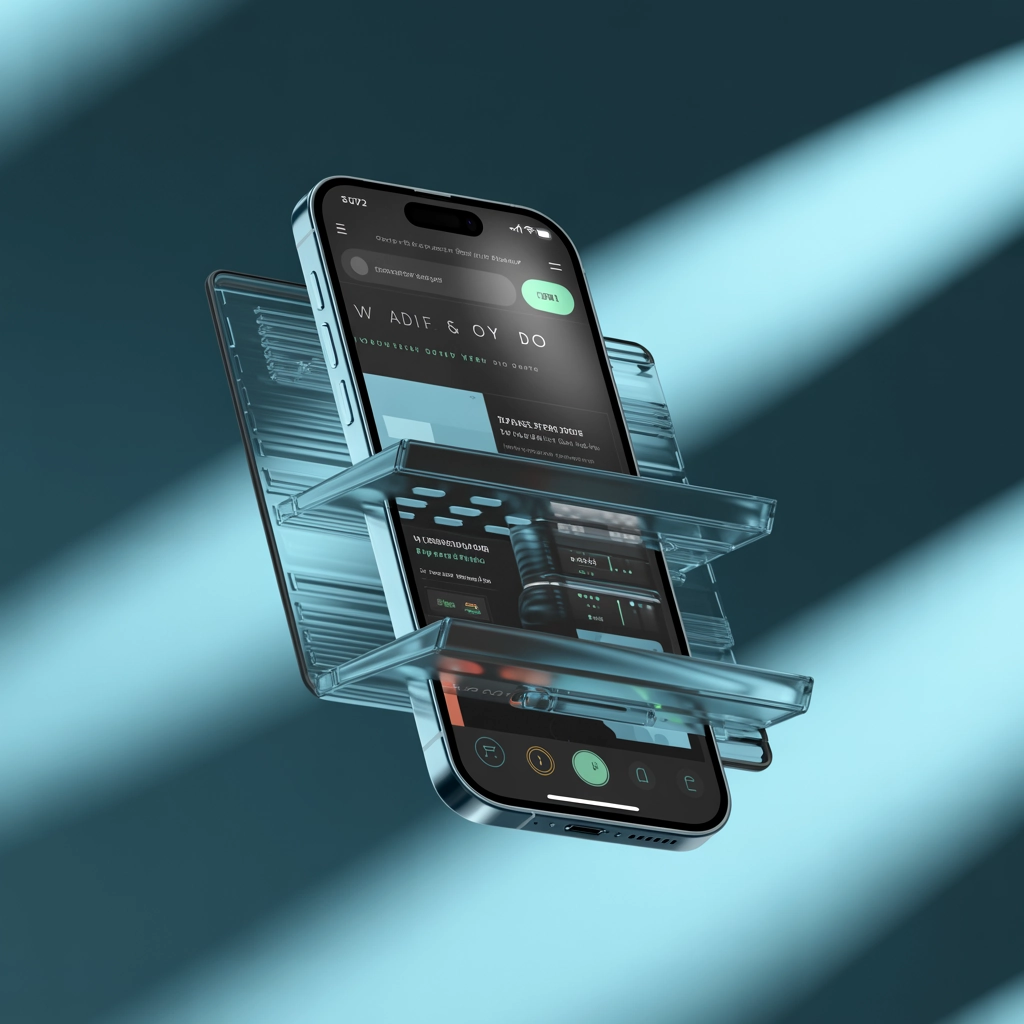
One of the most compelling immersive techniques gaining traction is interactive scroll-based storytelling. This approach transforms the simple act of scrolling into a dynamic journey where elements respond to user movement in ways that enhance your brand narrative.
Consider how companies like Apple reveal product features as you scroll down their product pages—each scroll triggers new animations, information appears at precisely the right moment, and the entire experience feels choreographed. This technique isn’t just visually impressive; it dramatically improves information retention and emotional connection.
Implementing scroll-triggered elements doesn’t require a complete redesign. Even subtle parallax effects, where background elements move at different speeds than foreground content, can add depth and dimension to otherwise flat pages.
Sound Design: The Overlooked Immersion Element
While visual elements receive most of the attention, sound design is emerging as a powerful tool for creating truly immersive experiences. Strategic audio cues—from subtle interaction sounds to ambient background tracks—can dramatically enhance user engagement without being intrusive.
However, implementation requires careful consideration. Sound should always be:
- Opt-in by default (auto-playing sound is still a major user experience faux pas)
- Purposeful rather than decorative
- Optimized for all devices and bandwidth limitations
- Complementary to your brand identity
When thoughtfully implemented, sound design can transform a good digital experience into an unforgettable one.
The Personalization Revolution: From Mass Appeal to Individual Connection
AI-Driven Content: Beyond Basic Recommendations
The days of one-size-fits-all website content are numbered. With advances in AI and machine learning, websites can now deliver dynamically generated content tailored to each visitor’s preferences, behavior patterns, and needs.
This goes far beyond the recommendation engines we’ve grown accustomed to on e-commerce sites. Modern personalization includes:
- Dynamic homepage elements that highlight different content based on user history
- Adaptive navigation that prioritizes the most relevant sections for each user
- Content that adjusts its tone, length, and complexity based on user engagement patterns
- Predictive elements that anticipate what information a user might need next
Micro-Interactions: Small Touches, Big Impact
Some of the most effective personalization elements are also the most subtle. Micro-interactions—small, responsive animations and feedback mechanisms that respond to specific user actions—create the feeling that a website is actively responding to each visitor.
These can include:
- Custom cursor effects that change based on what content the user is hovering over
- Button animations that provide tactile feedback
- Progress indicators that acknowledge user actions
- Welcome-back messages for returning visitors
These small touches might seem inconsequential individually, but collectively they create a sense of attentiveness that significantly enhances user experience.
The Balance: Personalization Without Intrusion
As we implement more sophisticated personalization, striking the right balance becomes critical. Users want experiences tailored to their needs, but they’re increasingly wary of privacy concerns. The most successful websites of 2025 will be those that deliver personalization that feels helpful rather than intrusive.
This means:
- Being transparent about what data you collect and how you use it
- Providing clear opt-out options
- Focusing on behavior-based personalization rather than identity-based targeting
- Delivering genuine value through personalization, not just marketing messages
Technical Foundations for Next-Generation Websites
While immersive content and personalization create impressive front-end experiences, they require robust technical foundations. As you prepare your website for 2025, consider these critical technical elements:
Performance Optimization: Speed Still Reigns Supreme
Immersive doesn’t have to mean slow. In fact, with users becoming increasingly impatient, performance optimization is more important than ever. Key considerations include:
- Progressive loading techniques that prioritize essential content
- Next-generation image and video formats that reduce file sizes
- Strategic use of caching and content delivery networks
- Server-side rendering for complex interactive elements
At Welvis Marketing, we’ve found that every performance optimization contributes to both user satisfaction and search engine visibility—a dual benefit that makes these technical investments particularly valuable.
Sustainable Web Design: Eco-Friendly Digital Experiences
Sustainability isn’t just for physical products anymore. Digital sustainability is becoming an important consideration as users become more environmentally conscious. Sustainable web design practices include:
- Optimizing code to reduce server load and energy consumption
- Implementing efficient caching strategies
- Using green hosting providers powered by renewable energy
- Designing with a “digital minimalism” approach that eliminates unnecessary elements
These practices not only reduce environmental impact but often improve performance and user experience as well.

Design Trends Shaping the Near Future
Beyond the broader shifts toward immersion and personalization, several specific design trends are gaining momentum as we approach 2025:
Neumorphism: Soft Realism for Digital Interfaces
Neumorphism—a design style that combines elements of skeuomorphism and flat design—creates subtle, realistic textures and shadows that make digital elements appear almost tangible. This approach adds depth and dimension to interfaces without the complexity of full 3D rendering.
The result is interfaces that feel physically present and interactive, enhancing the immersive quality of digital experiences while maintaining clean, modern aesthetics.
Dark Mode Optimization: Beyond a Simple Toggle
Dark mode has evolved from a simple preference option to an integral design consideration. Forward-thinking websites don’t just offer dark mode—they optimize specifically for it with:
- Custom color palettes that maintain brand identity in both light and dark contexts
- Adjusted contrast ratios to ensure readability
- Special consideration for images and graphics that work in both modes
- Automatic mode switching based on user system preferences or time of day
Accessibility as Design Principle, Not Afterthought
As digital experiences become more complex, ensuring accessibility for all users becomes both more challenging and more essential. Leading websites are approaching accessibility not as a compliance requirement but as a fundamental design principle that improves the experience for everyone.
This shift means considering accessibility from the earliest stages of design rather than retrofitting solutions later—a practice that ultimately creates more elegant, usable interfaces for all visitors.
Taking Action: Preparing Your Website for 2025
The trends we’ve explored represent significant shifts in web design and functionality, but implementing them doesn’t necessarily require a complete rebuild. Consider these practical approaches:
Conduct a Future-Readiness Audit
Start by evaluating your current website against emerging trends and user expectations. Key questions to ask:
- How does your site perform on current immersion and personalization metrics?
- What technical limitations might prevent implementation of new features?
- Which areas would benefit most immediately from enhancement?
Prioritize Progressive Implementation
Rather than attempting a comprehensive overhaul, consider a phased approach that prioritizes high-impact improvements:
- Start with technical foundation improvements that enable more advanced features
- Implement personalization elements that leverage existing data
- Add immersive elements strategically to key conversion paths
- Expand implementation based on user feedback and performance data
Partner with Forward-Thinking Experts
The digital landscape is evolving rapidly, making partnerships with experienced digital marketing professionals increasingly valuable. At Welvis Marketing, we specialize in helping businesses stay ahead of digital trends with strategic, results-focused implementation.
Conclusion: The Competitive Advantage of Early Adoption
As we approach 2025, the gap between digital leaders and followers will continue to widen. Businesses that embrace immersive content and personalization now will establish meaningful connections with their audiences while competitors struggle to catch up.
The good news? Many of these innovations don’t require massive budgets or complete rebuilds—just strategic vision and thoughtful implementation. By taking incremental steps toward a more immersive, personalized digital presence, you can ensure your website isn’t just ready for 2025—it’s helping shape the digital future.
Ready to start preparing your website for what’s next? Contact our team to discuss how we can help you implement these innovations in ways that drive real business results.

